High-level scientific convenings often result in dense academic reports that are "digitally buried" because they lack a practical interface for those managing the world's most complex megacities. When 50 experts collaborate on the sustainability of these massive urban systems, the sheer volume of cross-sector data can create a critical "Signal-to-Noise" problem.
As both a subject matter expert and creative lead, I served as the strategic bridge between scientific research and communication. I translated 50 distinct expert perspectives into a cohesive, 33-page operational roadmap called a Greenprint. I moved the project beyond a "report" and into a strategic product designed for decision-makers who need to navigate the intersections of resilience, equity, and greening in real-time. The core framework follows the Triple Bottom Line Framework of decision making.
Overview: Technical Rigor & Global Validation
Funded by the National Science Foundation (NSF), this initiative served as a high-stakes laboratory for evaluating rapid urbanization and global resilience. I collaborated with technical experts to bridge the gap between abstract climate science and actionable governance. This research validates the Triple Bottom Line framework as a prerequisite for long-term asset performance.
Data Proof: According to the UN World Urbanization Prospects, 68% of the world population will live in urban areas by 2050. My work focuses on the policies required to support this shift without exceeding planetary boundaries.
The Challenge: Mitigating Systemic Infrastructure Risk
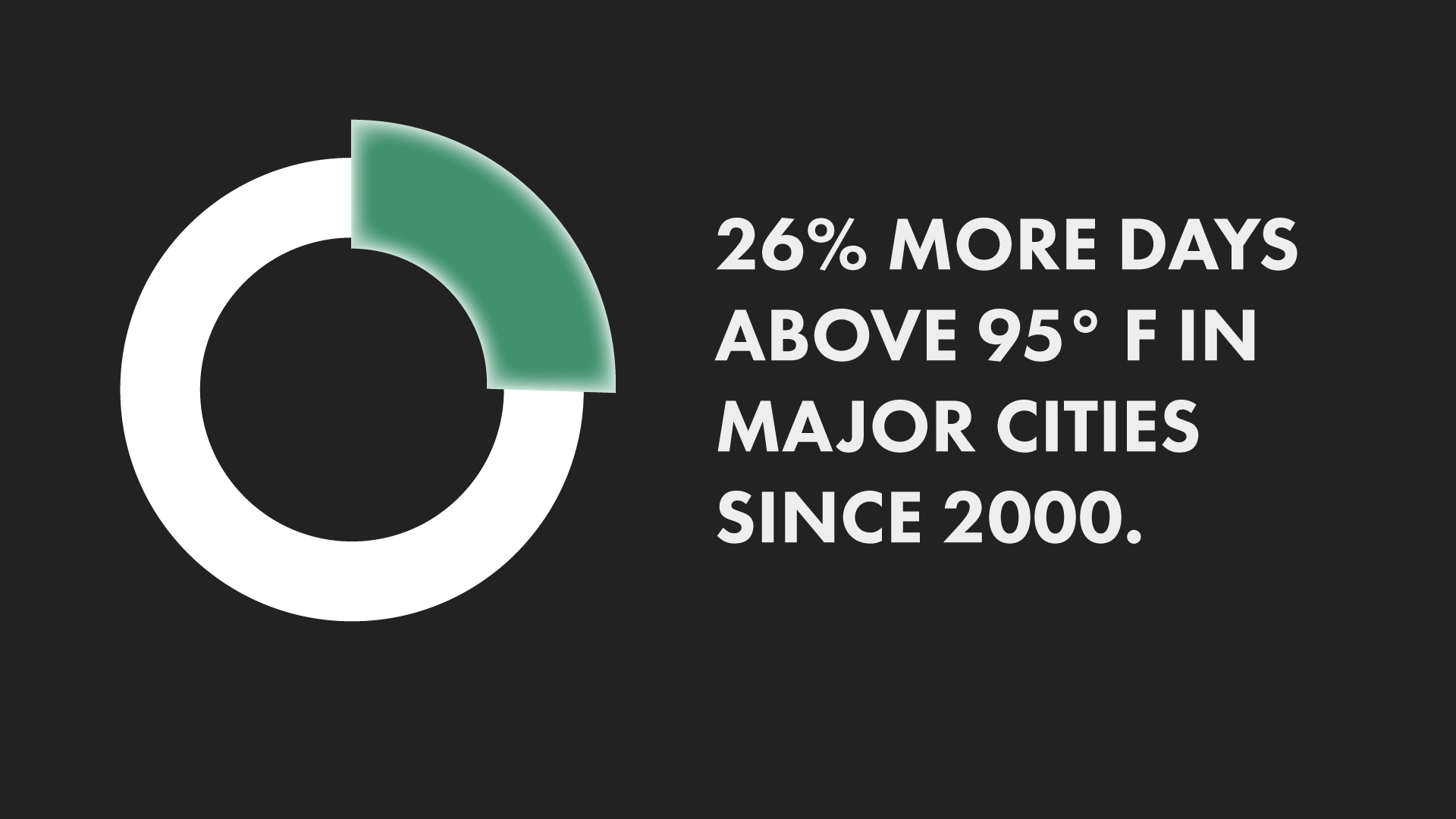
As global cities expand, the friction between legacy infrastructure and escalating climate risk creates a multibillion-dollar 'protection gap.' We treated the 'Urban Giant' as a prototype for the future of global operations, identifying the specific 'cleantech' interventions required to decouple economic growth from environmental degradation.
Data Proof: The Global Infrastructure Hub estimates a $15 Trillion infrastructure gap by 2040. The NSF Greenprint provides the strategic standards to close this gap through resilient, low-carbon systems.
Global Impact & Standards
The findings from the NSF Greenprint have been translated into policy guidance used to influence municipal policy and private-sector cleantech adoption. By identifying the 'High-Impact Levers' in urban systems—such as decentralized energy storage and collaborative partnerships—I have provided a roadmap for organizations to scale their sustainability operations globally while maintaining local regulatory alignment.
Data Proof: Research indicates that every $1 invested in resilient infrastructure yields $4 in long-term savings (World Bank: Lifelines Report). The Greenprint operationalizes this ROI through scalable implementation frameworks.
Strategic Value
The NSF Greenprint demonstrates my ability to participate in strategic partnerships and synthesize complex, data-driven recommendations at a global scale. It highlights my ability to take high-level research and translate it into the standardized governance required to accelerate cleantech adoption across a global portfolio.